Search

Botswana continues to experience the growing effects of climate change that include severe water scarcity and biodiversity loss. These challenges require inclusive, whole-of-society solutions that actively involve all sectors of the community. The Nationally Determined Contributions (NDCs) and the Botswana Climate Change Policy (2021) both emphasise the importance of youth participation and innovation in climate action, although many of these conversations have largely remained centralised in Gaborone.
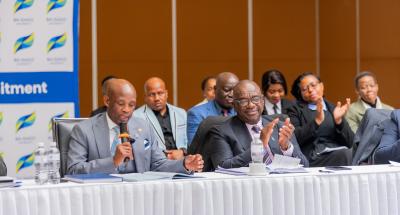
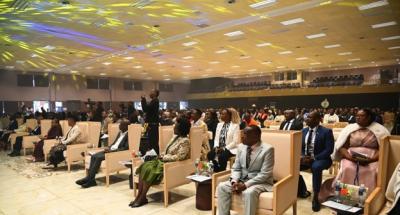
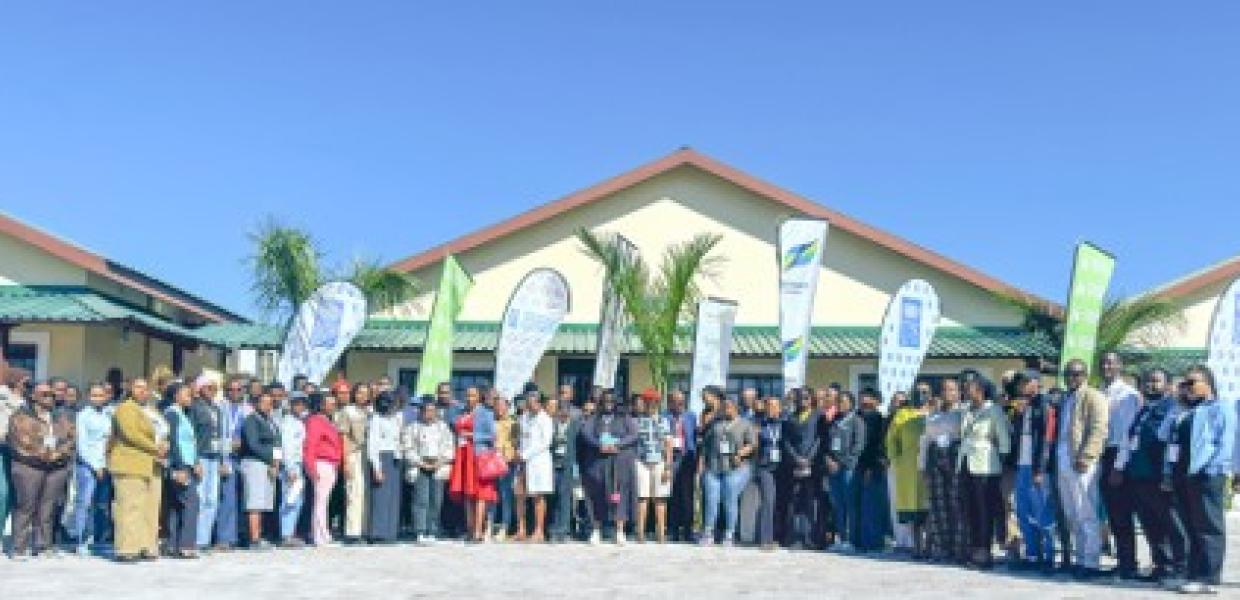
To broaden youth involvement across the country, young people from different regions of Botswana recently gathered in Francistown and Maun for the Nationally Determined Contributions (NDC) 3.0 Youth Engagement Forums hosted at BA ISAGO University Campuses. Held under the theme, “Youth as Architects of the National Climate Agenda: Localising Botswana’s NDC 3.0,” the forums highlighted the critical role young people play in shaping Botswana’s climate-resilient future.
The forums were organised by the Youth Climate Council (YCC) Botswana, hosted by Green Africa Youth Organization (GAYO), in partnership with the Ministry of Environment and Tourism through the Department of Meteorological Services, the United Nations Development Programme (UNDP) Botswana and BA ISAGO.
More than 230 young people attended the two forums, with approximately 110 participants at Francistown on 5 May 2026 and over 120 participants at Maun on 7 May 2026.
The events brought together students, traditional leaders, local government representatives, civil society organisations and climate experts.
Participants engaged in discussions on Botswana’s climate challenges and how communities can contribute to climate action. There were breakaway sessions that focused on key themes such as circular economy and green jobs, climate adaptation and resilience, as well as climate policy implementation.
One of the major outcomes of the forums was the development of a Youth Climate Action Statement containing recommendations that will contribute to Botswana’s third generation Nationally Determined Contributions (NDC 3.0) process.
Speakers throughout the engagements emphasised that climate policies become more effective when they include the voices and lived experiences of young people. The forums demonstrated innovative ideas and practical solutions that youth can bring when given the opportunity to participate meaningfully. They also promoted inclusivity by providing sign language interpretation services and live-streaming proceedings to allow wider national participation.
This Outreach Programme successfully brought climate discussions closer to young people in different regions, empowering them to actively contribute to Botswana’s climate agenda. Through collaboration with government, development partners and academia, the forums strengthened youth participation, built climate knowledge and demonstrated that young people across Botswana are ready to drive a sustainable and climate-resilient future